

Human Growth Hormone (HGH) therapy is increasingly popular for its potential benefits in anti-aging, muscle building, and overall vitality. While HGH therapy can offer promising advantages, it is important to understand the potential side effects, especially when used for non-medical purposes like anti-aging.
What Is HGH Therapy and Why Is It Used?
HGH therapy involves supplementing the body’s natural production of growth hormone through injections. It is commonly prescribed for conditions like growth hormone deficiency, muscle-wasting diseases, and certain genetic disorders.
In recent years, HGH has gained popularity as an anti-aging treatment due to claims that it can improve skin elasticity, boost energy, and reduce body fat.
Sign Up now to know more!Common Side Effects of HGH Therapy
Joint and Muscle Pain
One of the most frequently reported side effects of HGH therapy is joint and muscle pain. Users often describe a sensation of stiffness or soreness, which can be mild to severe. This discomfort typically occurs due to increased tissue growth and fluid retention.
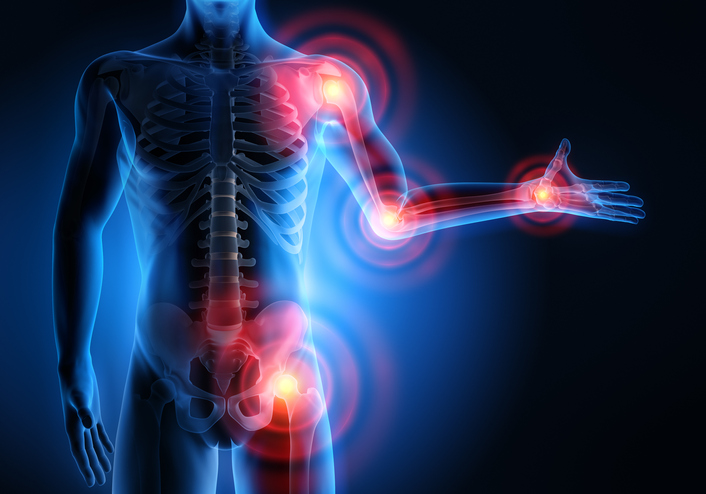
Joint and Muscle Pain
Swelling and Edema
HGH therapy can cause water retention, leading to swelling, particularly in the hands, feet, and face. This condition, known as edema, can make the body feel bloated and may impact comfort and mobility. Persistent swelling should be monitored, as it can indicate more serious issues if left unaddressed.
Carpal Tunnel Syndrome
HGH therapy may contribute to the development of carpal tunnel syndrome, a condition that causes tingling, numbness, and pain in the hands and fingers. This is due to pressure on the median nerve, which can be exacerbated by fluid retention and tissue growth.
Carpal Tunnel Syndrome | Johns Hopkins Medicine
Potential Long-Term Risks of HGH Therapy
Long-term use of HGH has been linked to insulin resistance, which can elevate blood sugar levels and increase the risk of developing type 2 diabetes. This is particularly concerning for individuals with a family history of diabetes or those already at risk for metabolic disorders.
Although HGH can contribute to increased muscle mass, it may also negatively affect cardiovascular health. Prolonged use has been associated with an increased risk of heart disease and abnormal heart rhythms. Elevated levels of growth hormone can affect cholesterol levels and blood pressure, contributing to cardiovascular complications.
Rare but Serious Side Effects
One of the most serious side effects associated with excessive or long-term HGH use is acromegaly—a condition characterized by abnormal growth of bones and tissues. This can lead to enlarged hands, feet, facial features, and organ enlargement.
While acromegaly is more common with high doses taken over extended periods, it remains a potential risk for those using HGH without medical supervision.
HGH plays a role in cell regeneration and growth. This can potentially trigger the growth of existing tumors, as the hormone’s ability to stimulate cell division may encourage the proliferation of cancerous cells. While studies are ongoing, individuals with a history of cancer should be cautious about HGH therapy.
Sign Up now to know more!When to Seek Medical Attention
Any use of HGH therapy should be done under strict medical supervision. If users experience persistent side effects such as severe joint pain, unexplained swelling, numbness in the extremities, or vision problems, they should seek immediate medical advice. Routine blood tests and health evaluations are essential to monitor for potential complications.
Frequently Asked Questions
Is HGH therapy safe for anti-aging purposes? While HGH therapy can offer anti-aging benefits, it comes with significant risks. The long-term effects of using HGH for anti-aging are not fully understood, and it should only be used under professional medical supervision.
Can side effects from HGH therapy be managed? Yes, mild side effects like joint pain or swelling can sometimes be managed with adjustments to dosage or supportive treatments. Consulting with a healthcare provider is crucial to make any necessary changes.
How does HGH impact the body’s metabolism? HGH can boost metabolism, leading to increased fat-burning and muscle growth. However, it may also cause insulin resistance, which can affect blood sugar levels and contribute to diabetes if not monitored.
