

Human Growth Hormone (HGH) therapy has gained attention for its supposed benefits in addressing aging-related concerns. While HGH plays an essential role in bodily functions such as metabolism, cell repair, and growth, using synthetic versions of the hormone for non-medical purposes is a contentious topic. This article explores HGH therapy’s potential risks and side effects, helping you make informed decisions.
What is HGH Therapy?
The pituitary gland naturally produces HGH and is vital for childhood growth, regulating body composition, and maintaining healthy metabolism. Synthetic HGH was initially developed to treat medical conditions like growth hormone deficiencies, Turner syndrome, and muscle wasting in HIV/AIDS patients.
Sign Up now to know more!Recently, it has been marketed as a means to combat aging, with claims of improved skin elasticity, increased muscle mass, reduced fat, and enhanced energy levels. However, these benefits come with potential health risks that demand careful consideration.
Common Side Effects of HGH Therapy
Joint and Muscle Pain
HGH therapy can cause joint and muscle discomfort, including stiffness and swelling. These symptoms arise from the hormone’s effects on tissue growth and fluid retention, potentially affecting mobility.
Fluid Retention (Edema)
Fluid retention is a common outcome of HGH therapy, leading to swelling in the hands, feet, and face. While often mild, persistent edema may signal more serious complications.
Carpal Tunnel Syndrome
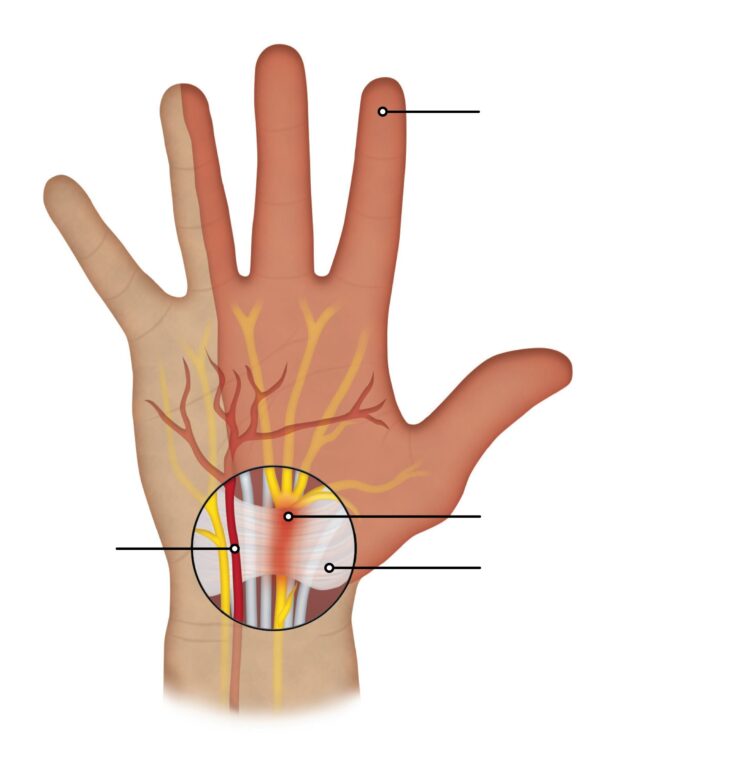
Individuals undergoing HGH therapy may experience carpal tunnel syndrome, characterized by tingling, numbness, and pain in the hands and wrists. This occurs due to increased tissue growth and fluid compressing the median nerve.
Increased Diabetes Risk
Studies indicate that HGH therapy may lead to insulin resistance, heightening the risk of type 2 diabetes, particularly in those with pre-existing metabolic conditions.
Gynecomastia (Male Breast Enlargement)
Hormonal imbalances from HGH therapy can result in gynecomastia or enlarged breast tissue in men, a condition that may require medical intervention.
High Blood Pressure
HGH therapy can elevate blood pressure levels, especially when administered in high doses, increasing the risk of cardiovascular issues like heart disease and stroke.
Acromegaly (Abnormal Bone Growth)
Excessive or prolonged use of HGH can cause acromegaly, marked by abnormal growth in the hands, feet, and facial bones. This condition is irreversible and can have serious health implications.
Mood and Behavioral Changes
Some individuals report mood swings, anxiety, or depression while on HGH therapy. These changes may be linked to hormonal shifts or physiological effects of treatment.
Rare but Serious Side Effects
Enlarged Organs
Long-term use of HGH may cause excessive growth of internal organs, such as the heart and liver, potentially impairing their function.
Increased Cancer Risk
There is ongoing debate about whether HGH therapy accelerates cancer growth. By stimulating cell reproduction, HGH may pose a risk for those with undiagnosed cancer.
Respiratory Issues
In rare instances, HGH therapy has been associated with breathing difficulties, often related to its effects on muscle growth and fluid retention.
Why Do Side Effects Happen?
Side effects often occur when HGH is used improperly or at higher-than-recommended doses. Many individuals seeking anti-aging benefits obtain HGH from unregulated sources, increasing the risks of contamination or counterfeit products. Additionally, artificially elevating HGH levels disrupts the body’s natural hormonal balance, particularly as levels naturally decline with age.
Sign Up now to know more!Frequently Asked Questions
Is HGH Therapy Safe for Anti-Aging?
HGH therapy for anti-aging is not FDA-approved and remains controversial. The risks often outweigh the potential benefits, making it a questionable choice for those seeking youth-enhancing solutions.
Can Lifestyle Changes Reduce the Need for HGH Therapy?
Yes. Regular exercise, a balanced diet, adequate sleep, and stress management can support natural HGH production, offering a safer alternative to synthetic therapy.
Are There Safer Alternatives?
Some individuals explore peptide therapies or supplements designed to boost HGH naturally. While these options may have fewer risks, their efficacy varies, and professional medical advice is essential.
Conclusion
While HGH therapy may offer certain benefits, it comes with significant potential risks that cannot be ignored. Before considering treatment, a thorough understanding of its side effects and consultation with a healthcare provider is crucial. Opting for natural methods to maintain hormone balance can be a safer, more sustainable alternative for improving overall well-being.
